A single change can transform the entire mood and utility of your bathroom. Few choices have as much visual and practical impact as the type of vanity you select. Wall-hung vanities, also known as floating vanities, have surged in popularity, challenging the classic freestanding models that have furnished bathrooms for generations. But what advantages do these modern, airborne marvels really offer over time-tested, grounded options?
Defining Wall-Hung and Freestanding Bathroom Vanities
Characteristics of Wall-Hung Vanities
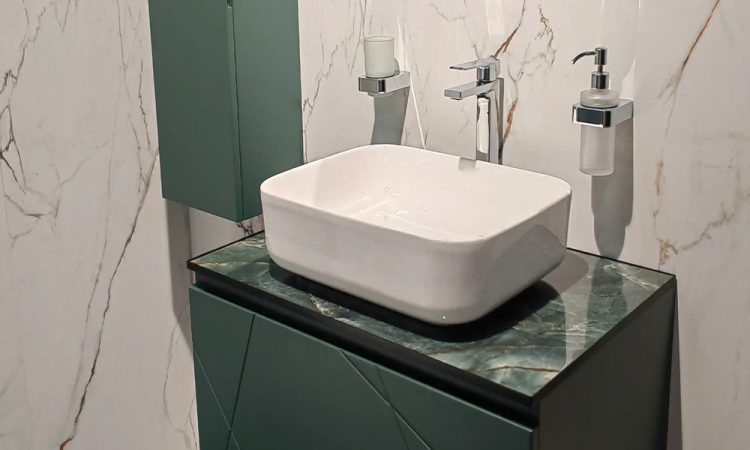
Wall-hung vanities are mounted directly onto the wall, leaving the floor beneath entirely open. This design instantly draws the eye and achieves a “floating” effect, giving even compact bathrooms a sense of airiness. Their sleek silhouette is often complemented by handle-free drawers and minimalist lines.
Characteristics of Freestanding Vanities
In contrast, freestanding vanities sit firmly on the floor. Some feature decorative legs, while others rest on a fully enclosed base. These pieces can channel everything from traditional cabinetry to contemporary geometric shapes, depending on color and finish.
Common Materials and Styles in Both Types
Both styles appear in a rich spectrum of materials, from matte or gloss-finished wood to engineered surfaces like quartz, polymarble, and ceramic. Shoppers can find bathroom vanities in colors ranging from deep black and walnut to crisp white and textured oak, with countertop choices tailored for durability and style.
Space Efficiency and Bathroom Layout Impact
How Wall-Hung Vanities Maximize Floor Space
Space is a premium in any bathroom. Wall-hung vanities create visual depth by exposing more floor area, making even the tightest rooms feel more open. This can be especially valuable in city apartments or older homes where every inch counts.
Freestanding Vanities and Their Spatial Footprint
Freestanding vanities, on the other hand, often occupy more perceived and physical space. Their bases and sides extend to the floor, which can make small bathrooms feel full, especially with wider models.
Suitability for Small vs. Large Bathrooms
For powder rooms or bathrooms under thirty-six inches wide, the floating look of wall-hung designs can be a game-changer. Larger bathrooms, however, can handle the presence of a substantial freestanding vanity, sometimes with double sinks or additional storage towers.
Aesthetic and Design Considerations
Modern Minimalism with Wall-Hung Vanities
There’s no denying the modern appeal of wall-hung vanities. Their clean lines and minimal hardware mesh perfectly with contemporary trends, while their floating design allows for creative under-cabinet lighting or floor tiling.
Classic and Architectural Appeal of Freestanding Vanities
Freestanding vanities bring architectural substance to a room, making them ideal for traditional or transitional designs. Their weight and detailing can give a sense of permanence and luxury, especially in homes where ornate or classical style is preferred.
Customization and Variety in Colors and Finishes
Whether wall-hung or freestanding, both types can be highly customized. Brands like Golden Elite Deco offer choices in finish, width, and countertop material, ensuring a match for nearly any renovation vision.
Installation and Maintenance Differences
Wall-Mounting Requirements and Structural Considerations
Wall-hung vanities require secure anchoring into wall studs, especially when loaded with stone counters or double sinks. This may need additional reinforcement in older homes or during remodels.
Freestanding Vanity Setup and Mobility
Freestanding models are generally easier to install, requiring only leveling and connection to plumbing. They can be moved with minimal fuss, which is handy during renovations.
Ease of Cleaning Around and Under Vanities
This is where wall-hung vanities shine. With the floor beneath exposed, cleaning around and under the vanity is a breeze. Dust and spills don’t collect unseen, which is a constant frustration with floor-to-base designs.
Storage and Functionality Comparison
| Feature | Wall-Hung Vanities | Freestanding Vanities |
|————————|—————————-|————————–|
| Storage Volume | Sometimes less, but adequate| Generally more spacious |
| Accessibility | Easy drawer access, less bending | Varied, may need to bend |
| Double Sink Options | Available in larger sizes | Common in all sizes |
| Customization | Wide range of finishes | Equally flexible |
While freestanding vanities traditionally offer a bit more storage and flexibility with configurations, wall-hung versions have evolved. Many now offer surprisingly roomy drawers and even double sink layouts, without forfeiting that open feel.
Durability, Material Quality, and Cost Factors
Comparing Material Strength and Longevity
Durability largely comes down to build quality and materials. Both types now utilize moisture-resistant finishes, soft-close mechanisms, and robust hardware, whether wall-mounted or freestanding.
Price Range and Value for Money
Prices range widely. Wall-hung models, thanks to their modern construction and installation requirements, can occasionally cost more up front. However, brands offering bathroom vanities stock options in all price brackets, from under $200 to nearly $4,000, so both types can fit most budgets.
Long-Term Investment Considerations
A well-chosen vanity is more than a cosmetic upgrade. Wall-hung vanities can boost resale value in markets where modern style is prized, while high-quality freestanding pieces may better suit character homes or families prioritizing storage.
User Experience and Practical Benefits
Impact on Bathroom Cleaning Routine
Anyone who dreads cleaning bathroom corners will notice the difference: the open floor beneath a floating vanity almost eliminates dust traps.
Accessibility and Ergonomics
Wall-hung vanities can be installed at custom heights, making them particularly friendly for households with children or users with mobility needs.
Adaptability for Renovations and Style Changes
Freestanding vanities can be swapped out with minimal wall work, which is convenient if you plan frequent style updates. Wall-hung models, though more permanent, create lasting impact and require less floor patching.
Making the Right Choice: Which Vanity Type Fits Your Needs?
Every bathroom tells its own story. Small spaces often benefit from the openness of a wall-hung model, while larger rooms can handle the substance of a freestanding vanity. Consider your cleaning habits, storage requirements, and long-term style goals. Whichever you choose, today’s market makes it easy to find bathroom vanities that suit your needs, taste, and budget, ensuring your daily routine starts and ends in a space you truly enjoy.