

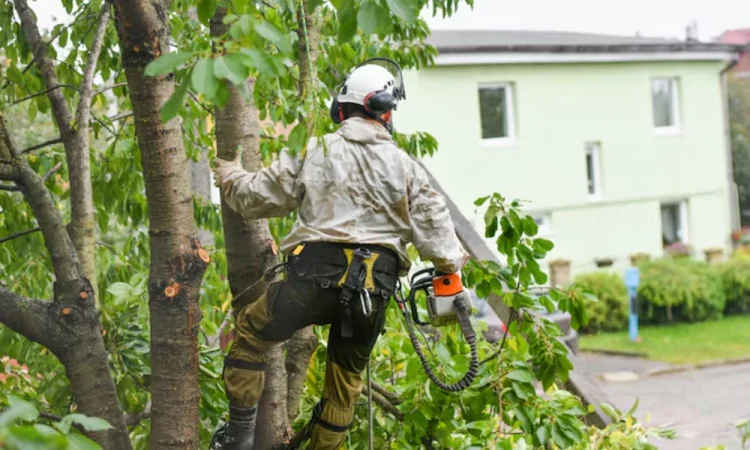

On the surface, it appears that pruning is an easy task. It’s done in a couple of cuts. Small errors can quickly accumulate during training. It is possible to damage a healthy plant or even cause disease. This guide can help you avoid a few of the most frequent errors.
It is possible to top with the canopy.
This could be an easy way to control the height. However, this isn’t the case. The process of topping triggers weak and fast shoots, resulting in large wounds that can decay. Instead, decrease the height by cutting strong laterals at least one third the length of the limb to be removed.
Cut flush and then leave the stubs
Two extremes cause trouble. Stubs can delay seal and draw bugs. The flush cuts will take out the branch collar and the bark ridge, which allows the tree to make a compartment for the wound. Create a straight, smooth cut, just inside the collar. Check for a small swelling at the point between the branches.
Take away excessive material at all at
If you cut off more that a quarter total number of leaves during one season, it will be scrambling to find new ones. This chaotic, chaotic growth is caused by anxiety. It is a matter of spreading big goals over many years. It’s like feeling slower. It’s good.
4.) cutting at the inappropriate moment
It is essential to know when it is time to cut back. Pruning during extreme drought or heat can cause the tree to become stressed. Pruning in the spring can deplete the tree’s energy required for new growth. A variety of species can endure the winter’s end. You can take away damaged, decayed or hazardous wood at any time. If in doubt, select the window that is dry and cool.
5) Use only high-quality or filthy tools
The tissue could get damaged due to dull blades. Clean blades can transmit the disease. If the wood appears be a bit suspect, make use of alcohol to cleanse between the trees, or between cuts. Before you start cutting, make sure you sharpen your hand pruners as well as loppers. It will be evident the difference.
6) Ignoring structure in young trees
The simplest method to trim is through early training. For species that require an instructor, choose one. Place permanent branches vertically. Take down competing uprights when they’re not too big. Some thoughtful cuts during the first three years could help you save money in the future.
7) One big cut with no relief notch
The weight of fallen limbs can cut the bark. It is recommended to cut three times. At least a foot away of the trunk narrow notch needs to be cut. Cut a top-cut outside the notch to eliminate the excess weight. Make a neat cut around the collar. Don’t tear it. No regrets.
8) Interior lion-tailing
It’s great looking to cut the trees’ inner branches and leave only the leaves at the ends. The wind’s loads can bend long levers, and eventually pieces may break. Inner growth can aid in achieving the balance and strength.
9) Pruning close to power lines, or by climbing an elevated ladder
Stop! Stop! Ladders can move. If you’re within falling distance from an object, or have to step off the ground to get there Do not go on. Call a qualified professional. Security is more important than well-trimmed limbs.
The Wounds are sealed with paint
Wound dressings look helpful. They can trap moisture and delay the natural healing process. Do not seal the wounds. The best defenses for the tree are those of its own.
Skip aftercare
Pruning can be described as a method of injury that is controlled. In the dry spells Then, mulch the tree and watch out for insects. If the cut appears like it’s spongy or dark, you should re-evaluate it the next time.
Quick checklist before you cut
- It is easy to identify the bark ridges as well as branch collars.
- Clean and sharpen your tools
- Cut any object that is heavy with the three-cut technique.
- Do not remove greater than 25 per cent of your living plant life
- Take a moment to reassess and review your body shape.
- If you see lines or ladders blocking the path you must stop immediately.
Takeaway
- Cuts that are small and well-placed are the most effective.
- Always trim the collar to on the outside, never be stubby or flush.
- Young plants are trained early for a sturdy structure
- Safety as well as timing and the proper equipment are vital.
If you’re unsure about an unusually large branch, a significant decay or a tree leaning against the target, you should stop. Seek another opinion. Careful pruning keeps trees healthy for decades. In a single afternoon you could damage your trees’ long-term health by hurrying through the procedure.
This post was written by a professional arborist at Tree Removal Clearwater FL. Robert Miller is the owner of Arbor Wise Professional Tree Care, a locally owned and operated tree service company that offers superb lawn care by the most experienced Arborists. Arborwise Tree Services is a tree removal company that offers stump removal, tree pruning, stump grinding, fertilization, and tree restoration. We have an extraordinary lawn care industry notoriety covering the Pinellas county area.