When planning a dock for your waterfront property, one of the first choices you will need to make is whether to build a floating dock or a fixed dock. Both options can work well, but they are built for different conditions.
The right choice depends on your water depth, water level changes, location, intended use, budget, and long-term plans. A dock used for simple boat access may need a different setup than a dock used for fishing, entertaining, or supporting heavier equipment.
So, how do you choose? Let’s break down the difference between floating docks and fixed docks in a simple way.
What Is a Floating Dock?
A floating dock sits on top of the water. It is supported by flotation devices, pontoons, or dock floats that allow it to rise and fall with the water level.
This makes floating docks a good choice for areas where water levels change often. For example, they can work well in tidal areas, lakes with seasonal changes, rivers, and waterfront spaces where the water may rise or drop throughout the year.
Floating docks are also popular because they can often be adjusted, expanded, or moved more easily than fixed docks. Many systems are modular, which means sections can be added or changed later if your needs grow.
What Is a Fixed Dock?
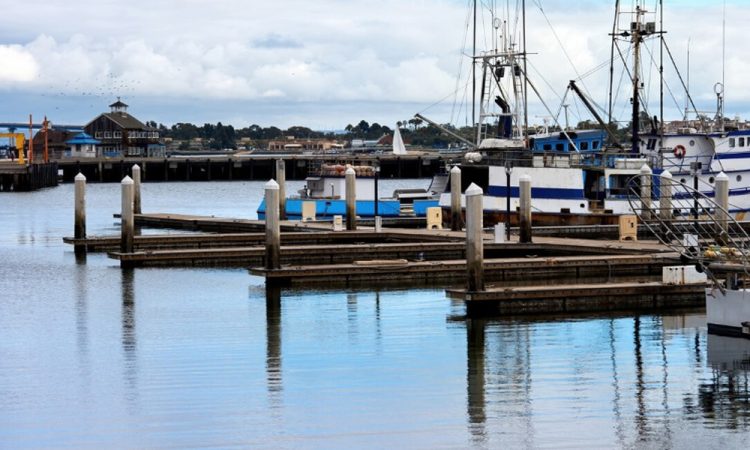
A fixed dock is built on posts, piles, or supports that are anchored into the ground below the water. Unlike a floating dock, it does not move up and down with the water.
Because it stays in one place, a fixed dock usually feels more solid underfoot. It can be a good option for areas with steady water levels and a firm bottom. Fixed docks are common on lakes, calm rivers, and waterfront properties where the depth does not change much.
A fixed dock can also support heavier features, such as boat lifts, lighting, seating areas, and in some cases, roofed structures. But it usually takes more planning, labor, and materials to install.
Floating Docks: Pros and Cons
Floating docks offer flexibility. They are designed to move with the water, which makes them useful in places where water levels are not always the same.
Pros of Floating Docks
They adjust to changing water levels.
Floating docks rise and fall with the water, making boat access easier during seasonal or tidal changes.
They are often easier to install.
Floating docks usually require less heavy construction than fixed docks. In many cases, installation is faster and less invasive.
They can be modular and expandable.
Many floating dock systems can be reconfigured, extended, or adjusted later. This is helpful if your needs change over time.
They may handle certain weather conditions better.
Since floating docks move with the water, they may respond better to waves or water level changes in some areas. Still, they need proper anchoring and design to perform well.
Cons of Floating Docks
They may feel less stable.
Because they float, these docks can feel slightly bouncy or move underfoot, especially in rough water.
They may need more attention in harsh environments.
Sun, saltwater, waves, debris, and storms can wear down materials over time. Regular inspection and maintenance are important.
They are not always best for heavy loads.
A floating dock may not support the same weight as a well-built fixed dock. If you plan to add heavy equipment, this needs to be considered early.
Fixed Docks: Pros and Cons
Fixed docks are known for their solid feel. They stay in place and can be built to handle more permanent use.
Pros of Fixed Docks
They feel stable and secure.
A fixed dock usually feels firm when walking, fishing, loading gear, or gathering with others.
They can support heavier features.
Fixed docks are often better for boat lifts, lighting, benches, storage, and other permanent additions.
They can last a long time with proper materials.
When built with strong materials like pressure-treated wood, composite decking, aluminum, or concrete supports, fixed docks can serve a property for many years.
Cons of Fixed Docks
They do not adjust to water level changes.
If water levels rise too high, the dock may become submerged. If water drops too low, the dock may become harder to reach from a boat.
They usually cost more to build.
Fixed docks often require more labor, equipment, permitting, and materials.
They are harder to change later.
Once a fixed dock is built, moving it, expanding it, or changing its layout can be more difficult and expensive.
Which Dock Is Better for Your Property?
The best dock depends on your location and how you plan to use it.
A floating dock may be the better choice if your water level changes often, you want a more flexible setup, or you prefer a dock that can be expanded later. It can also be a good fit when you want an easier installation with less impact on the shoreline.
A fixed dock may be the better choice if your water level stays fairly steady, you want maximum stability, or you need a structure that can handle heavier use. It may also be better if you plan to add permanent features like a boat lift, roof, or seating area.
In some cases, a hybrid setup may make sense. For example, a property may use a fixed walkway from shore with a floating section at the end. This can offer stability near land and better boat access where the water level changes.
Important Factors to Consider
Before choosing a dock, think about:
- Water level changes
- Water depth
- Wave action
- Soil or bottom conditions
- Local weather
- Boat size
- How often the dock will be used
- Maintenance needs
- Local rules or permit requirements
- Future upgrades
These details matter. A dock that works perfectly in one location may not be the best choice somewhere else.
Final Thoughts
Floating docks and fixed docks both have their place. A floating dock offers flexibility and works well where water levels change. A fixed dock offers stability and can support heavier, more permanent use.
The right dock should match your shoreline, your boat, your lifestyle, and your long-term plans. Whether you want a simple place to tie up your boat, a quiet fishing spot, or a space to relax by the water, choosing the right dock from the start can save time, money, and stress later.
Take time to study your waterfront conditions before making a decision. A well-planned dock will be safer, easier to use, and more enjoyable for years to come.
This post was written by a professional at Supreme Marine Floating Docks. Supreme Marine Floating Docks is dedicated to providing top-quality floating dock services Miami and marine accessories that combine durability, innovation, and superior performance. While we are a new brand, our team brings over 50 years of combined industry experience, making us a trusted name in the marine world. We are passionate about designing and delivering products that meet the highest standards, ensuring reliability and longevity in all marine environments. Whether for residential, commercial, or recreational use, our docks are crafted with precision and care, setting a new benchmark in the industry. At Supreme Marine, we don’t just build docks-we create lasting solutions.