Once ice dams develop on your roof, the beauty of winter may soon become dangerous. Your house may suffer greatly from these frozen ridges, which would result in expensive repairs. One proactive answer is found in roof and gutter heat wires. This article explores how heat cables operate, how ice dams develop, placement techniques, and basic maintenance advice to keep gutters running smoothly all winter.
Understanding Ice Dam Formation
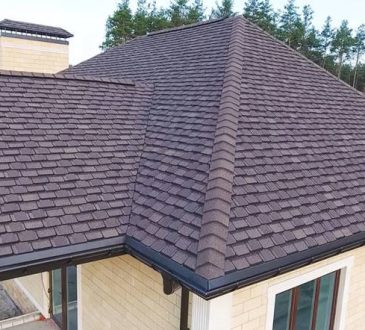
When heat from your house leaks into the attic, ice dams develop on the surface of the roof. Snow melts with this heat, then runs down to the colder eaves. The melted snow refreezes here and forms an ice dam. As this dam blocks appropriate drainage, water builds up behind it. Leaks, water damage, and mold growth follow from this water eventually seeping under shingles, into the attic, and down into your walls and ceilings.
How Roof and Gutter Heat Cables Work
A proactive way to fight ice dams, a frequent winter misery, is with roof and gutter heat cables. These electric heating devices melt snow deliberately to create drainage channels on your roof. Usually set in a zigzag pattern along eaves, inside gutters and downspouts, the cables provide heat that melts the snow they come into touch with directly. This lets water flow naturally, therefore stopping ice accumulation that may compromise gutters and roofing.
The self-regulation of these wires is critical. Their heat output adjusts automatically to ambient temperature. This advanced design prevents ice dams and maximizes energy consumption, reducing power use when temperatures rise. By keeping melt water channels clean, heat cables safeguard your home from ice dam damage and structural issues.
Strategic Placement for Optimal Protection
Effective positioning of heat cable is really vital. Install the cables first along the lower edge of the roof, especially in places like above heated living quarters and in valleys where snow usually accumulates that can cause ice dam formation. To guarantee enough drainage, run the cables up the roof a few feet. Weave the cable back and forth across the whole length in gutters; then, run the wire down the downspout to preserve a clean channel for water to pass. To prevent damage to your gutters or roof, follow manufacturer directions on cable spacing and fastening.
Maintenance Tips for Long-Term Performance
Heat wires operate safely and effectively with regular maintenance. Before winter, check cables for cuts, cracks, and exposed wires. Replace instant-broken cables. Leaf and twig debris in gutters and around wires should be removed to ensure proper drainage. Consider a leaf guard system to reduce waste. Testing the cables last, before the first snowfall, ensures proper operation.
Conclusion
Understanding the creation of ice dams, carefully installing and maintaining roof and gutter heat cables, will help you to shield your house from water damage, save expensive repairs, and enjoy a worry-free winter season.