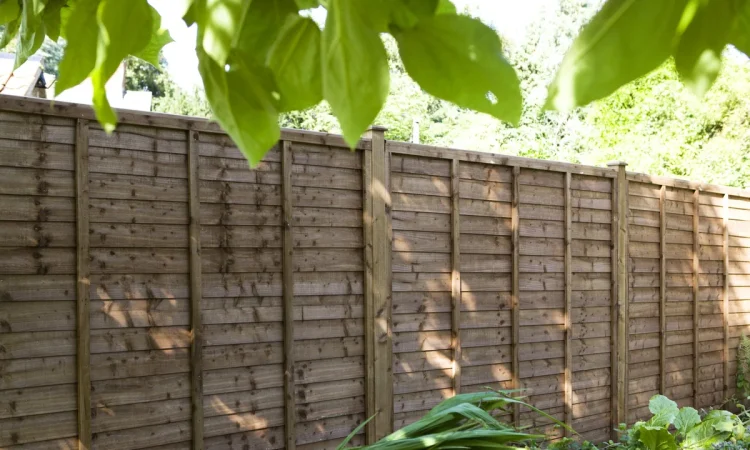
Shortcuts always look sensible at the time. Lower upfront cost. Faster installation. Less disruption. I have seen it again and again across York. A homeowner chooses the cheaper option because the fence looks fine on day one. Five years later, they are searching for fencing companies near me all over again. Many start by reviewing trusted fencing solutions in York because they do not want to repeat the same mistake.
After decades working as a fencing contractor, I can say the same shortcut comes up repeatedly. It is not flashy. It is not dramatic. It is usually hidden below ground or behind the panels. But it is expensive in the long run.
The shortcut almost everyone considers
The most common shortcut is shallow posts.
It saves time. It saves concrete. It saves effort. On installation day, the fence stands upright and looks perfectly fine.
In York’s clay soil, shallow posts rarely survive five years without movement.
I usually install posts at around 600mm to 750mm depth, sometimes deeper in softer or exposed areas. When I dig out older fences, I often find posts set at 400mm or less.
That difference matters more than people realise.
Why shallow posts fail in clay soil
Clay soil moves. It expands in wet weather and shrinks during dry spells. That movement pushes against fence posts constantly.
A shallow post sits entirely within the most active soil layer. Every season, it shifts slightly.
At first, the change is subtle. The top line dips a few millimetres. A panel rattles in wind. A gate starts to catch.
By year four or five, the movement becomes obvious.
Homeowners are then surprised to discover that panels are not the real problem. The foundation is.
The second shortcut that causes repeat expense
The next shortcut is low grade timber.
Dipped timber looks fine initially. It has colour. It feels new. But the treatment does not penetrate deeply.
Pressure treated timber performs far better over time. It resists moisture more effectively and slows decay.
In wet winters, especially around York, low grade timber begins to soften at ground level. Rails weaken. Fixings pull through.
Homeowners searching fencing near me often discover they are replacing entire runs because the original material could not cope with local conditions.
Why cheap fixings cost more later
Fixings rarely get attention during quotes. But they matter.
Cheap nails rust. Thin brackets bend. Screws snap under stress.
Once fixings fail, panels shift. Rails crack. Posts take uneven load.
I have seen fences that would have lasted years longer if stronger fixings had been used from the start.
The drainage oversight no one talks about
Another common shortcut is ignoring drainage.
Posts are set in concrete without gravel at the base. Ground levels are not adjusted. Water collects along the fence line.
In clay soil, trapped water keeps timber damp for longer. Decay accelerates.
Homeowners often blame wind or age, when the real issue is moisture retention.
The hidden cost of repeated repairs
Shortcuts do not always cause immediate failure. They create repeat repairs.
A panel is replaced. Then a post is reset. Then rails are braced.
Homeowners begin searching fence repair near me more frequently. Each visit costs money.
Within five years, those repair costs often equal or exceed the saving made at installation.
It is a cycle I see often.
Why the fence looks fine at first
The reason shortcuts are tempting is simple. The fence looks straight and solid on completion.
Fresh timber hides weaknesses. Concrete sets. Panels align.
The soil has not yet had time to move. Timber has not yet absorbed moisture. Fixings have not yet been stressed.
The failure comes later, gradually.
Exposure makes shortcuts worse
In exposed areas, shortcuts show up faster.
Solid panels catch wind. Shallow posts struggle. Weak rails flex under pressure.
York has areas that are surprisingly exposed, especially near open fields or elevated ground.
A fence that might last longer in a sheltered street fails quickly in open conditions.
The shortcut of mixing old and new sections
Some homeowners try to save money by replacing only the worst sections.
This often creates uneven load distribution. New panels add weight to older posts. Older rails strain.
Within a short time, another section begins to fail.
Partial replacement can work if done carefully, but mixing weak foundations with new material rarely delivers long term savings.
Why composite fencing changes the calculation
Composite fencing has become more common partly because it removes some of these shortcuts.
Composite fencing cost is higher upfront. But composite panels do not warp or rot like low grade timber.
They maintain alignment and appearance with minimal maintenance.
However, even composite relies on solid foundations. If posts are shallow or drainage is poor, the same problems emerge.
Material choice cannot compensate for structural shortcuts.
The importance of proper post depth
Post depth is the foundation of fence longevity.
In York, I rarely recommend anything less than 600mm, and often 750mm depending on conditions.
That depth anchors the post below the most active soil layer.
It adds labour time and material cost. It also adds years of stability.
Skipping this step is the shortcut that costs most in the long run.
The gravel detail that prevents rot
Gravel at the base of the post hole allows water to drain away from the timber.
Without it, concrete can trap moisture around the base of the post.
This small detail makes a significant difference over time.
It is not visible once installed. But it influences lifespan more than many homeowners realise.
Why summer installs hide winter problems
Fences installed in dry summer conditions often look flawless.
The soil is firm. Alignment is easy. Movement is minimal.
Winter reveals the truth. Saturated ground tests post stability. Wind tests fixings.
If shortcuts were taken, they show up in the first heavy season.
When repairs still make sense
Not every issue requires full replacement.
If the structure is fundamentally sound and only a small section is affected, targeted repairs can extend lifespan.
Reviewing guidance on practical fence repairs in York can help homeowners decide whether the foundation remains solid.
The key question is whether the shortcut lies in the visible section or beneath it.
The shortcut of ignoring exposure
Ignoring wind load is another costly shortcut.
Solid panel runs without breaks act like sails. In exposed gardens, this increases stress on posts.
Design adjustments such as hit and miss panels can reduce wind pressure.
Failing to account for exposure shortens lifespan.
Why homeowners regret the saving later
The regret usually sounds the same.
“We thought we would save a bit at the time.”
“We did not expect it to move so quickly.”
“We wish we had done it properly.”
From years on site, I have heard those words often.
How to avoid the five year regret
Ask simple questions before installation.
Homeowners exploring garden fencing options in York benefit from understanding these details before agreeing to work.
Why proper installation costs less over time
A properly installed fence costs more upfront.
It costs less over ten or fifteen years.
From decades working across York, the expensive shortcut homeowners regret within five years is almost always the same. It is the shortcut taken beneath the surface. A fence stands because of what is buried below it. When that foundation is right, the boundary stays straight and stable. When it is not, the cost of fixing it repeats itself until replacement becomes unavoidable.